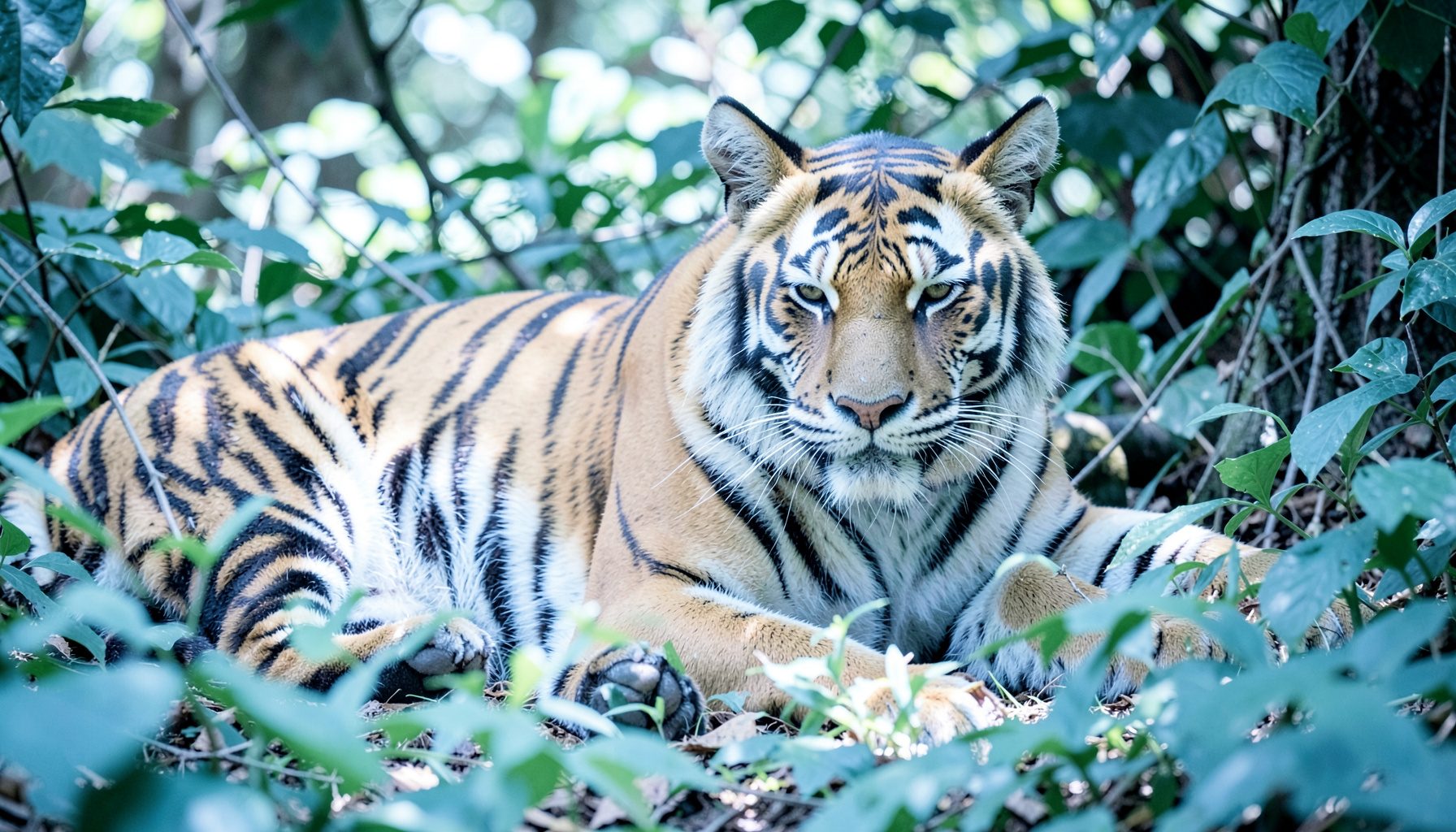
A New York Times editorial brought my attention to the Tiger Farms in China. I have always known that Chinese enjoy Tiger bones for its medicinal value but I never knew that they "farmed" Tigers.
The Chinese appetite for traditional medicines and aphrodisiacs has resulted in this cruel practice where Tigers — not only an endangered species but one of the most majestic creatures on earth — are bred in captivity solely to be slaughtered for their body parts.
Further reporting by the Daily Mail exposed the dark secret behind these farms, where tiger bodies are plundered to produce expensive wines and remedies. The scale of the operation is staggering, and it raises profound questions about conservation, ethics, and the persistence of demand for such products.
For those interested in the broader ethical dimensions, the Animal Rights Movement offers perspectives on how we might rethink our relationship with other species.
The plight of captive-bred tigers in China raises broader questions about how societies balance tradition, commerce, and compassion. In Bhutan, where respect for nature runs deep and the monarchy has long championed environmental stewardship, such practices stand in sharp contrast to the country's conservation ethos. The discussion also touches on freedom of expression, as journalists and ordinary citizens alike grapple with how openly they can question practices that involve powerful economic interests. Whether through online forums, newspaper commentary, or quiet conversations among villagers, the voices that speak against cruelty remind us that progress depends on more than laws alone. It depends on a society willing to examine its own habits, question inherited assumptions, and extend justice beyond human boundaries to the creatures that share this land.